What Is Cremation?
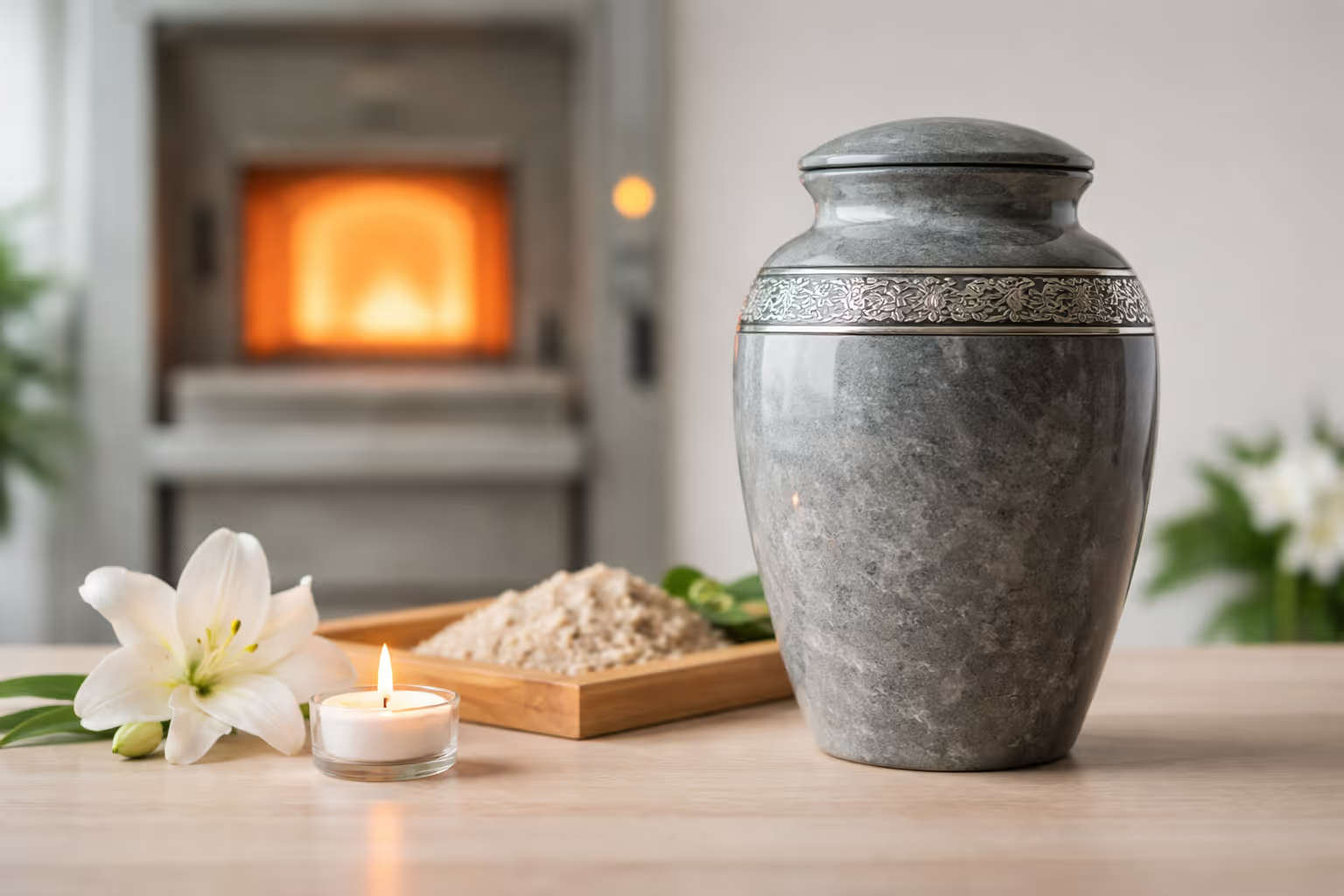
Cremation is a method of final disposition in which a deceased body is reduced to ash-like remains through intense heat. In plain terms, the body is placed in a specialized furnace called a cremation chamber (or retort) and exposed to high temperatures (usually 1,400 – 2,000 °F) until soft tissues vaporize and bones calcify. The remaining bone fragments are then processed into fine particles resembling ash. The end result, often referred to as "cremated remains" or "ashes," is returned to the family in an urn or temporary container. Cremation serves as an alternative to a traditional burial, achieving the same goal of respectfully handling human remains but through combustion and processing rather than interment in the earth.
Cremation in Everyday Language: For families, it may help to think of cremation as the final step in caring for a loved one’s physical form. Instead of a casket burial, the body is transformed into ashes that you can keep, scatter, or bury as you see fit. Cremation is very common today – in fact, over 60% of Americans now choose cremation over burial, a rate that is projected to continue rising. This growing preference is due in part to cremation’s simplicity, affordability, and flexibility in memorialization. For example, in Florida cities like Orlando and Miami where traditional burials often cost many thousands of dollars, more and more families are opting for “simple cremation” as a dignified yet cost-effective choice. Choosing cremation means you are not tied to a cemetery plot; you have options for keeping your loved one’s memory close in an urn, scattering their ashes in a meaningful place, or holding a memorial service at a time and location that works best for your family.